
How OEM projects reduce rework during the prototyping stage
It is not advisable to rush into complete sample production before the requirements, structure, materials, accessories and packaging have been confirmed. Phased validation can reduce repeated revisions.
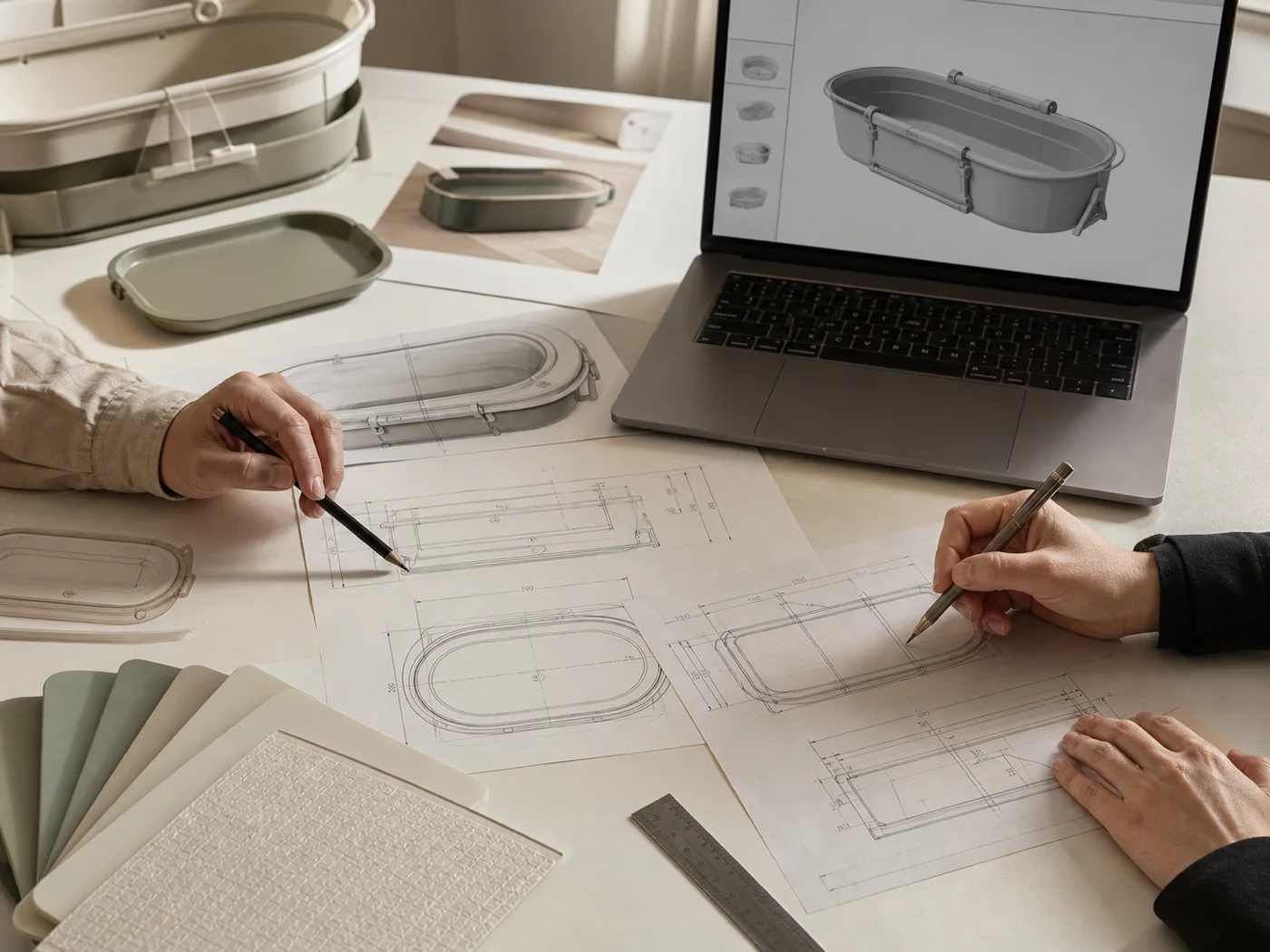
When OEM projects are reworked, it is usually not a problem with a single process, but rather a lack of consistent confirmation of previous information. Establishing a clear product requirement list before sampling allows all parties to communicate around the same goal.
The demand list should at least state the product purpose, target size, user population, expected quantity, sales area, brand presentation, packaging method and expected time. Items that are temporarily uncertain should also be marked as pending.
Samples can be taken in stages. Material samples are used to confirm color, texture and feel; structural samples are used to confirm size, function and operation; appearance samples and packaging samples are used to complete brand and sales presentation.
Each round of proofing should focus on clear modification points and keep version records. If multiple requirements change at the same time, you should reconfirm which content has been frozen to avoid mixing opinions from different versions.
Sample confirmation cannot rely solely on pictures. Sizes, accessories, colors, printing locations, packaging lists and functions requiring actual operation should all be confirmed item by item in a recordable manner.
Before entering production preparation, the final samples, specifications and packaging requirements are reviewed uniformly. It is usually easier to control time and cost by leaving problems to be solved at the prototyping stage than to rework after entering production.