
When selecting materials for PVC inflatable products, don’t just look at thickness
Material thickness is only a basic parameter. Flexibility, folding resistance, air tightness, surface treatment and usage environment will also affect the experience and service life of the finished product.
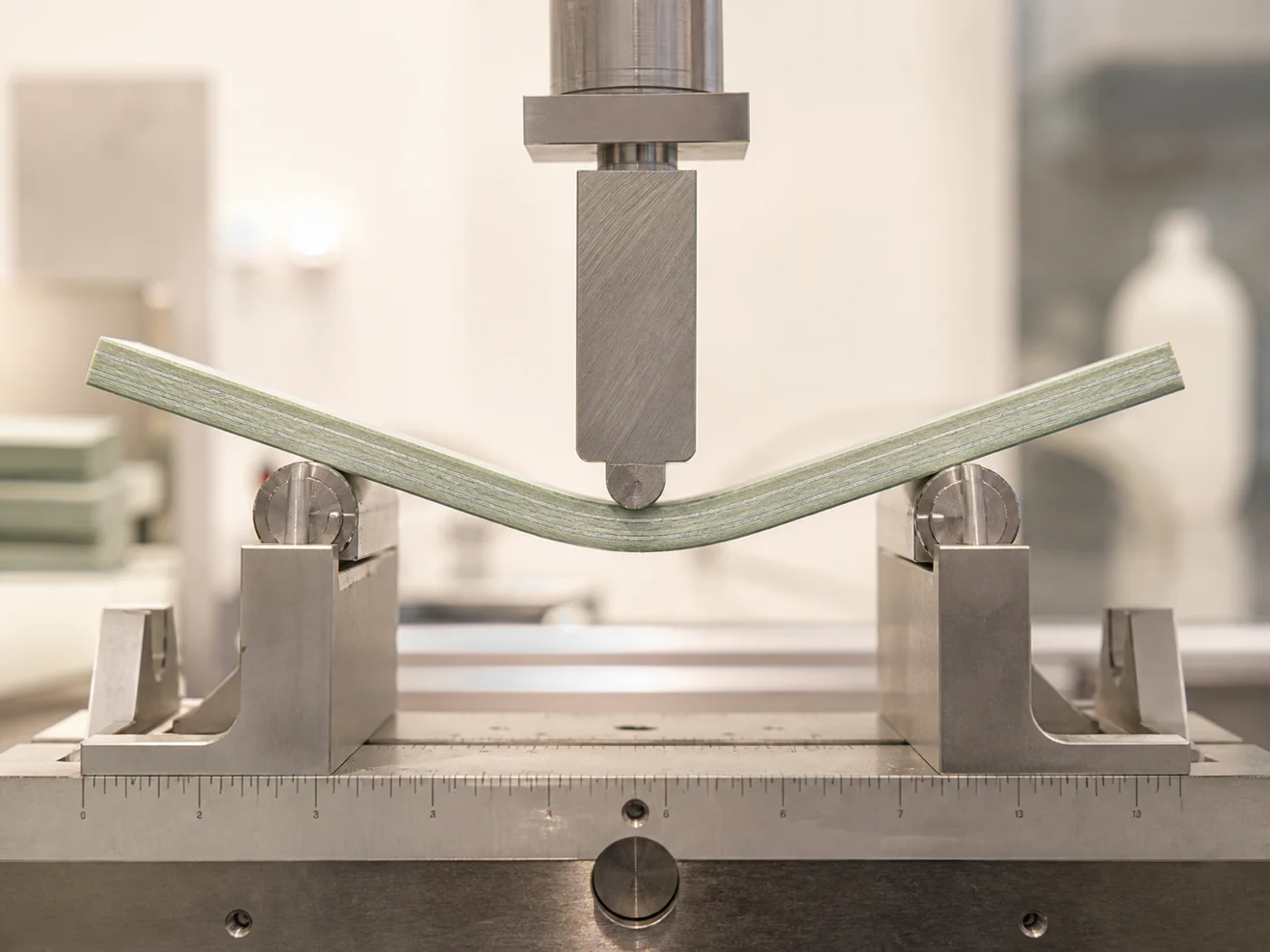
PVC inflatable products are often made of composite materials, but when selecting materials, you cannot just compare the thickness. Materials with the same thickness may have different base fabric structures, coating formulas, surface treatments and processing suitability.
Thickness affects stiffness, weight and folded volume. Materials that are too thin may not meet structural requirements, while materials that are too thick may increase weight and affect folding and heat sealing processes. Appropriate specifications should be judged based on product size and usage.
Flexibility is equally important as folding resistance. For products that need to be stored repeatedly, attention should be paid to the surface changes of the material after multiple bends, as well as the feel and folding performance under different ambient temperatures.
The material must also match the heat sealing process. Test pieces can be used to confirm the joint appearance, peeling performance and air tightness, and then adjust the temperature, pressure and action time based on the results.
Color, texture, printing and surface feel are appearance requirements and should also be confirmed at the sample stage. If the product is sold to a specific region, the applicable labeling and compliance requirements need to be checked based on the sales area and user population.
Therefore, material selection is more suitable to adopt the sequence of "purpose confirmation-material test piece-structural proofing-usage verification" instead of directly deciding based on a single thickness parameter.