
What transportation conditions need to be confirmed before packaging inflatable products?
The folding sequence, accessory packaging, outer box size, single box weight and transportation method will all affect packaging efficiency and the status of the product after arrival.
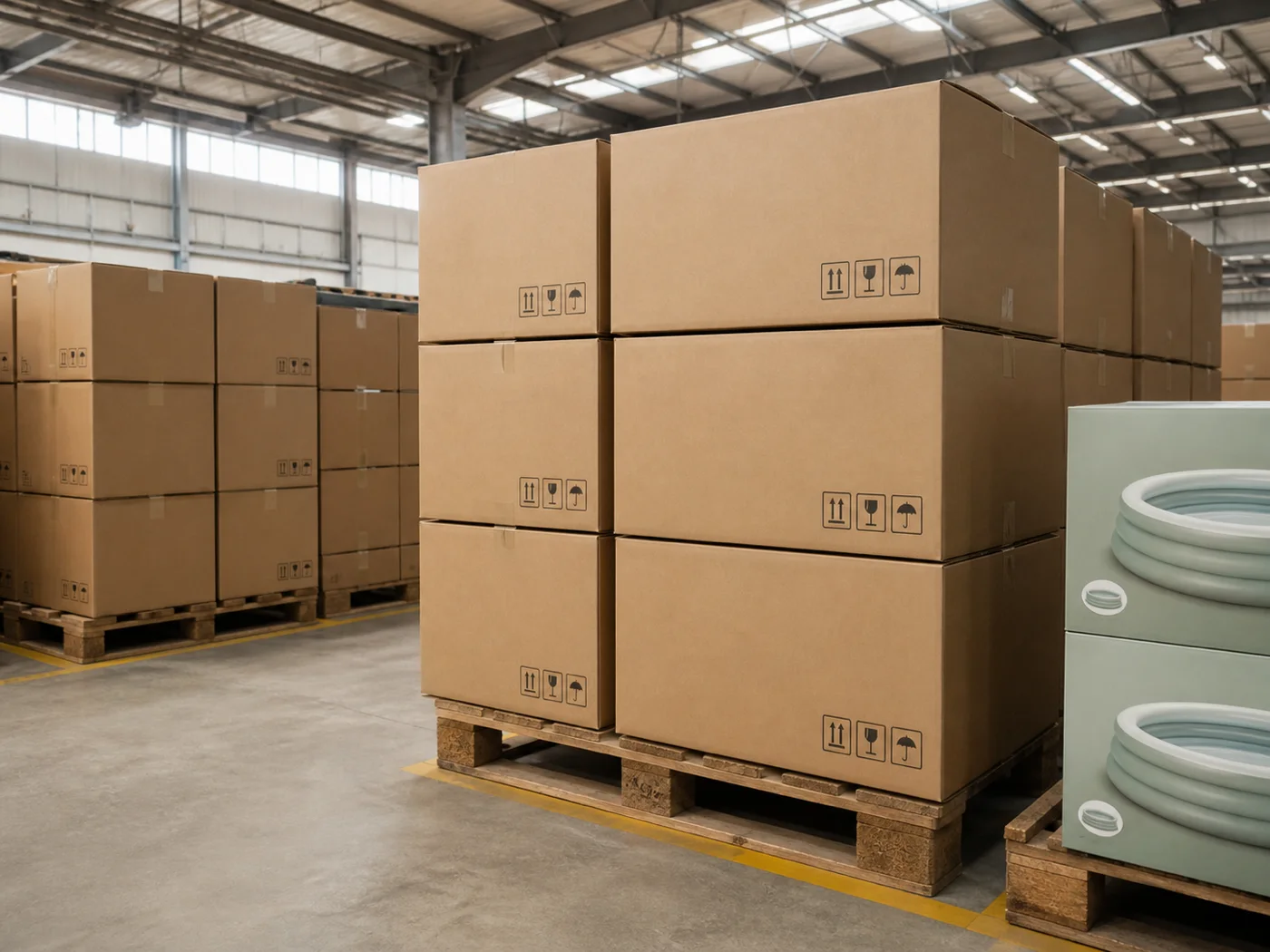
The packaging solution for inflatable products is not just about choosing an outer box. How the product is vented, how it is folded, where the accessories are placed, and the final method of transportation all need to be confirmed together at the packaging prototype stage.
Make sure the product surface is clean and fully dry before packaging. Protruding parts such as valves and drainage parts need to avoid pressure-bearing locations, and the folding sequence should also minimize sharp corners and local long-term extrusion.
The air pump, patch, instructions and other accessories can be packaged independently and fixed in a location that is not likely to rub against the product surface. Once the accessory list and packing location are clear, it will be easier to review before shipping.
The size of the outer box needs to be determined based on the actual folded volume, taking into account buffering, moisture-proof and handling requirements. An outer box that is too large may cause shaking, and an outer box that is too tight may cause pressure on the product or accessories.
If the product is delivered by express, LTL or ocean freight, the number of loading and unloading, stacking method and transportation period will vary. When confirming packaging, the main transportation conditions should be included in the inspection, rather than just looking at the appearance of a single sample.
Before formal batch packaging, you can complete packaging samples and trial packing, record the folding method, number of accessories, single box weight and sealing requirements, so that there is a unified basis for subsequent operations.